Peptide Screening: Hplc & Mass Spec Purity Overview Apex
Understanding Peptide Pureness Testing
Apex Lab is a specialized distributor of high-purity chemical reagents and peptides. All products detailed are purely for in-vitro laboratory r & d utilize only. Explore flagship research peptides with batch-specific COA documentation and HPLC/MS confirmation. Products are for in-vitro lab study usage only and are not for human intake.Enhancing HPLC, research laboratories make use of Mass Spectrometry (often paired as LC-MS) to verify the peptide's molecular weight and sequence identity. Mass spectrometry supplies molecular confirmation by spotting the exact mass of the peptide and any co-eluting types or trimmed sequences with high precision. With each other, HPLC and MS data permit analysts to verify that the peptide's composition matches what it ought to be (proper amino acid sequence and expected modifications) which no substantial impurities are present.
The software attracts borders around each height and determines the location underneath. The pureness percent comes from contrasting the location of the primary top to the total area of all detected tops. A lot of reports include a table listing each peak's retention time, area, and portion of overall area.Services
Together, these analytical methods offer the proof base for wrapping up that a peptide set is suitable for research study usage. One more relevant term you could come across is web peptide web content, which is various from pureness. Web peptide material describes how much actual peptide (by weight) remains in the vial relative to non-peptide components like water, counter-ions (e.g., TFA), or barrier salts.
- The outcome is a peptide that's much shorter than meant-- missing one or more amino acids.
- You can find out more concerning our logical screening protocols on our screening and top quality web page.
- Simply put, the purity portion has to do with the structure of peptide varieties in the sample, not the weight contribution of water or salts.
- At Chameleon Peptides, every product ships with extensive third-party testing documents.
- By utilizing outside labs for confirmation, suppliers eliminate prejudice and promote clinical credibility.
It is one factor appropriate peptide storage space and reconstitution methods issue. Partial peptide pieces can arise from insufficient synthesis or post-synthesis destruction. These fragments are generally smaller sized than the target peptide and might elute at various retention times.
Composition & Material
They are classified "for research study usage just" to make clear that they are intended for in vitro experiments or pet studies, except any type of type of human usage. As a matter of fact, a lab offering peptide screening need to deliver information satisfying the strict logical expectations of agencies like FDA and EMA [4] By using a qualified third-party laboratory, peptide manufacturers or scientists make certain an impartial and skillfully recorded analysis of quality, which is precisely what examiners search for. In addition, continuous independent screening sustains conformity in batch release and quality assurance. Lab validation for peptides means making use of clinical tests to validate a peptide's identity, pureness, and make-up. In method, this commonly entails third-party or independent screening by an outside laboratory to confirm that a peptide item really has what the label claims [2]
HPLC measures chromatographic purity by separating the target peptide from related contaminations and determining main-peak location percent. Mass spectrometry validates molecular identity by examining whether the gauged mass matches the anticipated peptide mass. For research-grade peptide certification, HPLC and LC-MS/ESI-MS answer different questions and must be read with each other. BOC Sciences additionally provides detailed artificial insemination (cell platforms) and in vivo (pet platforms) testing services to help customers fully recognize peptide solution efficiency in various environments. Artificial insemination examinations analyze peptide cytotoxicity, cell uptake, anti-inflammatory activity, and extra, giving essential data support for peptide applications in medical looks and biomedical fields.
It's possible to have a peptide that is, state, 95% pure by HPLC and yet the web peptide content is something like 70% of the powder's weight (the rest being water and salts). Do not be startled-- this is normal and is typically identified by separate analyses (like amino acid analysis). Peptide purity is most frequently determined by high-performance fluid chromatography (HPLC) with a discovery wavelength of 220 nm, which is optimal for finding peptide bonds. This technique divides peptides from impurities and quantifies both target peptides and contaminants, making certain top notch samples for research study. 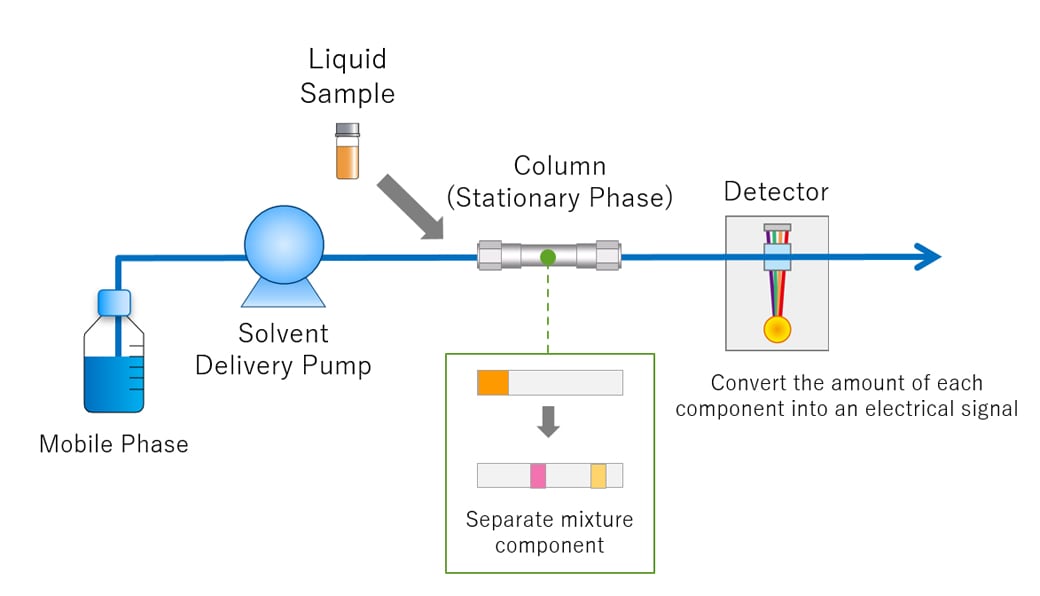

Ends · LANDENSJAZ697